Saturday, November 27, 2010

Recipe for Healthy Kids Contest

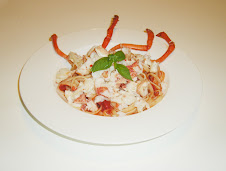
Last month I joined “Chefs Move to Schools” and teamed up with the Boys & Girls Club of Venice, California – and Venice High School. I did this with the goal of entering the Recipe for Healthy Kids Contest. These images are of the tasting events that we did at the Boys & Girls Club of Venice, California. In addition to developing recipes for the contest, I am also assisting the Boys and Girls Club in developing a healthy menu of snacks for their upcoming “Beat CafĂ©,” which will serve as an alternative to unhealthy fast-food choices. The menu will consist of high-protein foods – foods that contain nutritional elements that promote not only good body health, but also good brain health. Stay tuned for further news of this exciting and inspirational adventure!

(By the way, you can click each image to get a close-up and a readable view of the recipe!)


Tuesday, October 19, 2010

Coffee, My Favorite Form of Time Travel


Every morning, long before my family awakens, I travel through time. A cup of coffee is my vessel.

On one morning, I travel to Rego Park, in Queens, New York. The year is 1966. I am sitting at the counter of a luncheonette called “The Hamburger Train.”
The aroma of fresh brewed coffee wafts throughout the noisy coffee shop, while I await the arrival of my charbroiled burger, which comes to me perched atop a train car called the “Clubcar.”

I am too young to drink coffee, but the combination of brew and burger leave a strong olfactory memory impression in a child’s mind. I think to myself,”It doesn’t get better than this.”

On some mornings, I travel to a small airport. My father and I are waiting for the weather to lift so that we can continue on our adventure in his Cessna aircraft. We share cups of coffee and conversation in the airport lounge. We talk about future travels, and again, I am thinking…“It doesn’t get better than this.”

One recent morning, over a cup of MoJo Roast Viking Thunder, my thoughts transformed me to the top deck of a 100’ motor yacht called “The Islander.” The year is 1989 and we are in a 6” sea, heading for St. Bart’s from St.Thomas, in the Virgin Islands. I am on caffeine high and feeling the ocean spray on my face. A school of dolphins kisses the hull as seagulls sing from above. And…once again, I am thinking…“It doesn’t get better than this.”

This morning, I traveled into the future. It is year 2014 and I am on the sleepy Central Coast town of Los Osos, California. In a bayfront cottage, I am sipping MoJo Roast whilst gazing out the bay window that overlooks a bird sanctuary. I catch a glimpse of Morro Rock in the distance. The summer sun plays a dance upon the tall pines. I can faintly hear the sound of my husband’s lathe spinning in his workshop; my son is at the water’s edge, walking our bull terrier. And, yes, again, I am thinking…“It doesn’t get better than this.”

And…just as I am in the midst of that reverie, I find myself suddenly transformed back to the here and now – gazing out the window of my Marina del Rey kitchen, where I am brewing a fresh pot of coffee to serve with my family’s breakfast. As the enticingly rich aroma of brewing coffee wafts across the kitchen space, I yet again find myself thinking…“It doesn’t get better than this.”
Thank you, MoJo Roast, for transporting me in time and place – and for being a comforting and reliable companion.

Monday, August 30, 2010

Fighting the Greater Depression

"Depression Glass" (also referred to as "the poor man's Tiffany")


Even though little is written or portrayed on the Food Network, we are in the middle of a food crisis similar to that of the Great Depression. Whether directly affected by hunger or not, economic hardship is ever-present on most Americans’ minds. We are either experiencing it, fearing it, and concerned about loved ones who are dealing with it.

During times of hardship, those of us in the kitchen have to be very creative in order to provide wholesome sustenance. During the Great Depression, food costs (including sugar) were much lower than they are today. Americans began to consume a great deal more sugar, as it was a relatively inexpensive commodity and it satisfied their hunger cravings. I suspect that this trend has persisted and is a significant factor in our current problems with excessive food consumption and our current obesity epidemic. It was during the Great Depression that foods began to become over-processed, and increasingly less nutritious. Back in those days, food was relatively inexpensive. A cost-conscious cook could therefore stretch the budget while still being able to serve a fairly well-balanced meal. Today, however, prices have risen to the point where “a chicken in every pot” is not even possible - at least not a healthy chicken. Today, one egg costs roughly the same amount as a dozen eggs cost during the Great Depression. It is therefore not surprising that the relatively inexpensive ingredients (sugar, salt, and refined flour) are ubiquitous elements in most processed foods.

There is a silent revolution at the table. We are bombarded with advertising for “cheap food” that is full of GMO ingredients, preservatives, flavor enhancers, high sugar content, and refined carbohydrates. What I find disturbing is the wholesome looking packaging for these products – which is deceptive.

Not unlike the Great Depression, our present economy is forcing us to rethink what we are serving at the table. We are sometimes forced to make unhealthy choices because of our limited budgets. At the same time, we also are sometimes forced to engage in protein stretching, substitutions and making do with less. As was the case during the Great Depression, we find ourselves returning to the “take only what you need” paradigm, as we did during the Great Depression. Of course, this does have its plus side, since by being careful about our food intake, we can help ourselves gain control of medical conditions that are associated with excessive food intake – such as diabetes and heart disease.

And there is another plus side...limited resources can push us to be more creative. One way to make the dining experience more pleasant: An inviting table setting. Folks understood this during the Great Depression, which led to the production of attractive AND affortable tableware, which was called "depression glass" (see above).

So...these difficult times do not necessarily mean total sacrifice. But we DO need to “think outside the box” in developing menus for our families. Back in the 40’s creative cooks made sugarless cakes, eggless cakes and meatless meals. They planted “victory gardens” for their fresh fruit and vegetables. At that point in our history, convenience foods had not yet taken hold. Now, however, we find ourselves struggling to avoid the unhealthy (and often cheap) convenience foods, as we strive to return to the days of healthier “cooking from scratch.”

With the current trend toward emphasizing proteins and reducing carbs (especially refined carbs), we have the added challenge of considering the relatively higher cost this engenders. Ideally, we should be consuming things like free range meat and poultry, high-quality fish, fresh fruits and vegetables, and whole grains. Furthermore, we are best served when we consume organically grown ingredients. Unfortunately, few of us can afford to take this type of approach. As a client once said to me, “We can’t all live in Brentwood.” In our current food crisis, only the very well-to-do – and some farmers – are able to do this. For the rest of us, the best we can hope for is to make well-informed choices based upon what our budgets allow. So, can we eat healthfully and enjoy satisfying meals while staying within our budgets? YES – WE CAN – with a little help. In my upcoming blogs, I will show you how to effectively purchase ingredients that are nutritious and flavorful but won’t break the bank. Look for detailed budget-recipes and tips for finding the right sources for purchasing the ingredients.

Sunday, August 29, 2010

We Must Pay Attention to the Purity of our Food!

As you may be aware, there is a class action suit against many of the market brands of “extra Virgin” olive oil. The Olive Center at UC Davis did some testing that showed that some of these oils were adulterated with other types of oil. The study, published in July 2010, reflected that “…69 percent of imported olive oil samples and 10 percent of California olive oil samples labeled as extra virgin olive oil failed to meet the IOC/USDA sensory (organoleptic) standards for extra virgin olive oil. The Australian sensory panel found that each of these samples scored a median of up to 3.5 sensory defects such as rancid, fusty, and musty and were classified at the lower grade of 'virgin.' Sensory defects are indicators that these samples are oxidized, of poor quality, and/or adulterated with cheaper refined oils.”

The class-action lawsuit plaintiffs include famous chefs, famous restaurants and home cooking enthusiasts. The defendants named in the lawsuit include 10 major olive oil brands, including Bertolli, Filippo Berio, Carapelli, Star, Colavita, Mezzetta, Pompeian, Rachael Ray, Mazolla and Safeway Select. The lawsuit also names 10 retailers and supermarkets, including Bristol Farms, Gelson's Markets, Vons/Pavilions, Ralphs, Stater Brothers, Albertson's Market, Target, Wal-mart, Kmart and Nob Hill Foods.

This “swindling” by the common brands, is an insult to our wallets and to our health. Adulterated oil is not traceable; therefore we have no idea what we are consuming. Is the “Virgin oil” blended with GMO (Genetically Modified Organism) canola, or corn oil? When your dietitian or doctor advises you to adopt the Mediterranean diet, does she know that the Extra Virgin Olive oil that you were adding to your daily diet is actually not pure olive-based oil – and could be bad for your health?

The craft of food fraud goes way back; it’s nothing new. Accum’s Treatise on Adulteration in food was written in 1822 - and complaints of watered-down wine date back to the ancient Romans. Products have been watered down, substituted, padded, sold underweight, mislabeled, and degraded throughout history. My observation is that nothing has really changed. It won’t be long before your sugar bag will read “sugar” but the source will not be from sugar cane – but instead from GMO beets. You almost need a science degree along with an investigator’s license to shop the supermarket aisles. You can’t even trust buying from the “outer aisles” anymore.

Let’s face it - the large food manufacturers caused a deterioration of what we used to know as food. With their mass-marketing campaigns, we are duped into thinking that what we are buying is real. This horrific state of affairs is worsening to the extent that even the most aware and sophisticated consumer may find herself with contaminated and/or adulterated ingredients.

My job as a private chef is becoming increasingly more focused on identifying and procuring products that I know are pure and health. There is actually a term that is used for a person whose entire function is devoted to this type of work in restaurant industry: “food forager.” I can understand why people who can afford it will hire a full-time private chef who does not actually even step foot into the kitchen. This particular position exclusively involves procuring the highest quality (and safe) ingredients, which are then prepared by the kitchen chef. We have all been reminded of the importance contamination-free foods, given the recent salmonella outbreak that caused the recall of millions of eggs across the country. If I could afford it, I would want to hire a food forager for my family…wouldn’t you?

As today’s consumers, the best we can do is to read labels carefully. Buy as much organic as possible, know the source, and try to purchase from companies that have INTEGRITY. If you are interested in exploring the GMO issue further, please see my website at this link:

http://junepagan.com/foodforthought.aspx

Then scroll down to: 4. Food Additives - What You Don't Know Could Actually Hurt You.

Friday, July 16, 2010

Recall of Romaine Lettuce due to Health Risks

http://www.fda.gov/Safety/Recalls/ucm219057.htm

The above link will take you directly to the FDA website. Now then...about the recall...how scary is that? A commonly used lettuce in the preparation of Caesar Salad, a common dish that graces many a table. How scary that the unsuspecting public puts their lives at risk at the dinner table. It’s outrageous, if you ask me. We’re not talking about Salmonella, here, not that a case of Salmonella is much fun!

This is why I have chosen to obtain as much of my produce as possible at the local farmer’s markets for my family and clients. If I have to purchase store-bought produce, I research the source; to be sure it is from a certified organic farm. I wash it carefully, even if the package reads “pre-washed.” I know that ultimately, it is the responsibility of the cook in every household to be aware of the changes in our food supply; to purchase the cleanest products out there; and to handle them with care, to avoid promoting unhealthy bacteria growth.

Many of my “tricks of the trade” as a private chef are not shared with my clients. I rarely explain to them why I choose to use a particular product. My search for authentic ingredients goes unnoticed for the most part, until the food reaches the palate. As with the umami approach, the person tasting knows that the flavor is real and satiating but they are not sure why. It begins with searching for clean food and the cooking process eventually causes it to its final state. When asked, I often tell people, “I play with fire for a living.”

Not long ago, I picked up a client that was having digestive problems. The family housekeeper was preparing their daily meals in addition to cleaning house. I was called in to teach her some basics but I was actually there to observe her kitchen habits. I saw her make quite a few unsanitary and unhealthy choices, in the privacy of the kitchen. It didn’t surprise me that people were getting mildly ill. Very often, mild cases of food poisoning mimic the symptoms of flu, and they usually pass without the need of medical attention.
My question is: Why would anyone want to run the risk of exposure to begin with?

If you can afford to hire a professional private chef, you reduce your risk of food poisoning tenfold. A conscientious chef will make your health a priority. If you cannot afford a professional, then consider having your housekeeper take a basic course in food handling. It could save your life.

Thursday, June 17, 2010

A Visit to Dino’s Garden


Yesterday, I visited an old friend of mine in San Pedro. He is old-world food purveyor from Sardinia. We talked about Italian food and flavor. We walked through his garden and tasted tiny yellow cherry tomatoes, fava beans, parsley, and Salvia (also known as Bergarten Sage, a velvety gray green leaf picked from a billowing evergreen bush). A member of the mint family, Salvia is a common Mediterranean kitchen herb that is often overlooked here in the American kitchen. Dino’s sage was brought over from Italy, as seed.

Salvia (which means “to save” or “to heal”) has an earthy warm aroma and a slight peppery flavor, which I love to use in so many dishes. The flavor is a mix of rosemary, pine, mint and citrus. Here are a few tips to keep in mind when considering Sage as an element in your menu:


Sage works very well with grilled meats and vegetables

Sage is added to brown butter to garnish pumpkin ravioli or gnocchi

The flavor of sage matches up well to Fontina Cheese

Country Sausage with Gravy - especially turkey - needs sage

Sage can be tastefully added to cheese straws or scones

Try adding to roast potatoes

Sage compliments a saltimbocca of beef or chicken made with Provolone and Prosciutto

Let me point out that Sage is known to be an excellent aid in the digestion of heavy and/or fatty foods. I decide to recreate dish that I used to make during my early days as restaurant chef. I was working at Chianti, an Italian Restaurant in Fort Lauderdale. There, I learned how to make a dish called Chicken Scapariello (which we called “Chicken Scap”). Although my updated version is not the classic preparation with sausage and cherry peppers, this sage-infused version worked beautifully.

Monday, June 14, 2010

Correction from The Vanilla Queen on my Vanilla blog

A couple of details regarding vanilla that weren't accurate. Vanilla is never factory farmed. The largest farms might be 20 - 30 hectares; most are 1 or 2 hectares -- about five acres maximum. Vanilla is not planted from seed. They plant cuttings that are trellised up trees, cement posts, or something else to hold them in place. They must have shade from the sun. Vanilla is a very ecologically sustainable crop.

The reason we're losing pure vanilla is because the corporations are using imitation vanilla or the spent ground vanilla beans from the extraction process and calling the products "pure." Prices are extremely low. As vanilla is the most labor-intensive crop in the world, the farmers can't afford to grow it when they get paid so little.

What happened in 2002 is that many of the farmers had torn up their crops because they couldn't afford to keep growing it. Then there were two hurricanes that took out 30% of the Madagascar crop. Mexico had a major flood and Sumatra had a drought. There wasn't enough vanilla.

Everyone planted, of course, when they saw how much vanilla was selling for. There was a glut on the market and the prices collapsed in late 2004/early 2005. Since then the prices have been rock bottom again.

When the farmers can't make enough for their vanilla, they often overpollinate the flowers (and each is hand pollinated) in an effort to make up in volume what they've lost in price. By doing this it stresses the plants. Do it two years in a row and the fusarium, which is in the soil all the time, attacks the weakened plants and kills them. A plantation can be wiped out in a matter of weeks when this happens and the soil must be rested and not used for several years.

If we go into another crisis, the big corporations feel prepared this time and will simply substitute the newer generation of imitation vanilla; some never went back to the pure after the last crisis. And what concerns me is that the public will grow accustomed to the flavor of imitation and won't care that it isn't pure. If the prices continue to be low for the farmers they'll shift to another crop and eventually few, if any, farmers will grow vanilla.

All this is to say, factory farming had nothing to do with it; it's largely about corporate greed yet again!